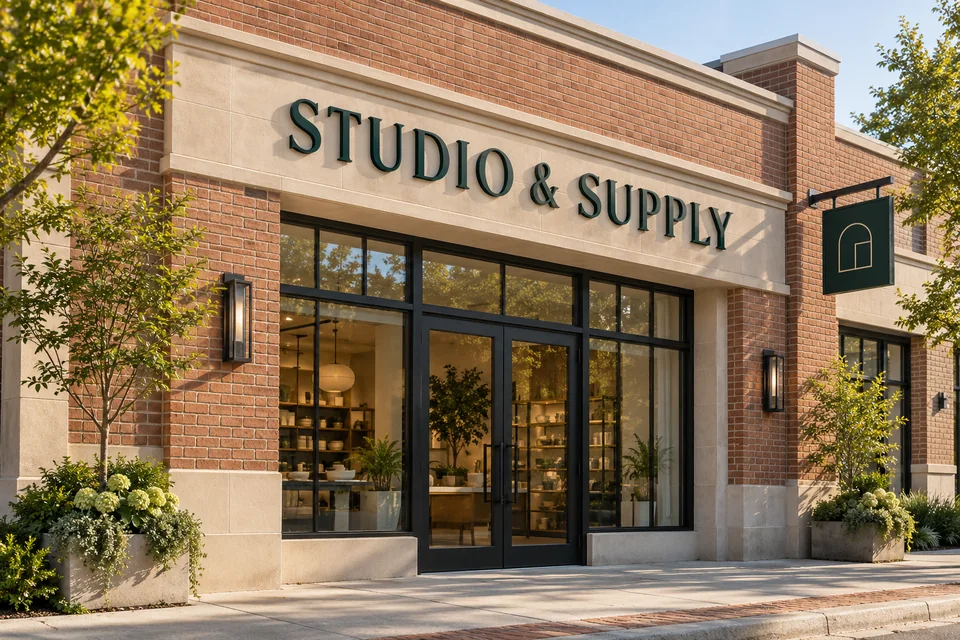
A faded sign or new logo may start the conversation, but replacing the most obvious sign is only one part of a useful refresh. The business name can appear on the property directory, building, glass door and reception wall. Before ordering replacements, decide which parts of that identity are changing and which should remain familiar to returning customers.
Inventory the current signs in order of arrival
Walk the route from the approach to reception and photograph every place the name appears. Include small signs, old opening hours and temporary notices. List what is still accurate, what is outdated and what is difficult to read. This reveals whether the project is a single replacement or a broader cleanup of conflicting information.
At a Belmont storefront, for example, the main wall sign and a projecting sign may be seen from different directions. At a Lowell shared property, a directory panel may be the first introduction. Include each relevant view in the brief.
Distinguish a new appearance from a new name
A change in colors or letter style is different from a full name change. Confirm the approved wording and explain which elements existing customers recognize. If a transition message is needed, discuss it separately from the lasting identity. The permanent sign should remain clear after the changeover is complete.
Check what remains after the old sign comes down
Photographs of the existing installation help start the assessment, but they cannot establish the condition of hidden mounting points or the wall behind the sign. Include removal, possible surface repairs and the treatment of visible old holes in the scope discussion. Avoid assuming that a new set of letters will cover every mark left by the previous design.
Compare complete sign options
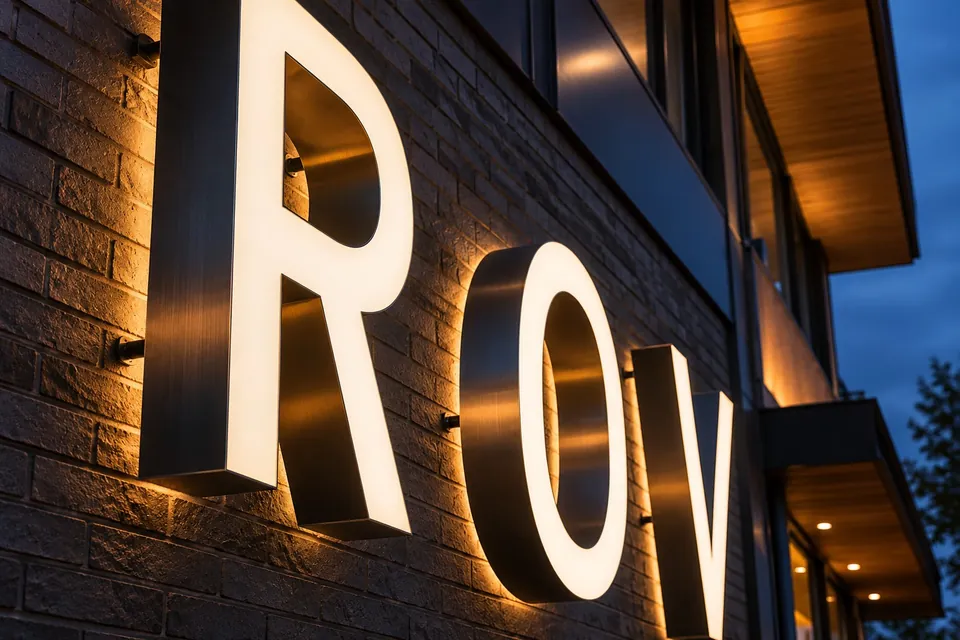
Channel letters can emphasize the shapes of a brand name, while a cabinet sign organizes the identity on a defined face. The useful comparison includes proportions, lighting, attachment and maintenance access, alongside the artwork. Existing hardware or power should be assessed before reuse is confirmed.
Coordinate the small details with the main identity
Door lettering and reception branding do not need identical materials, but they should use the same approved name and logo version. Decide who removes obsolete messages and who confirms that appointment instructions match the correct entrance. A refresh works best when the whole arrival feels consistent.
Gather the existing sign photographs, brand files, property criteria and the date you would like the change to happen. Our planning checklist helps define the work. Then ask about a sign refresh with the existing conditions as well as the new look in view.